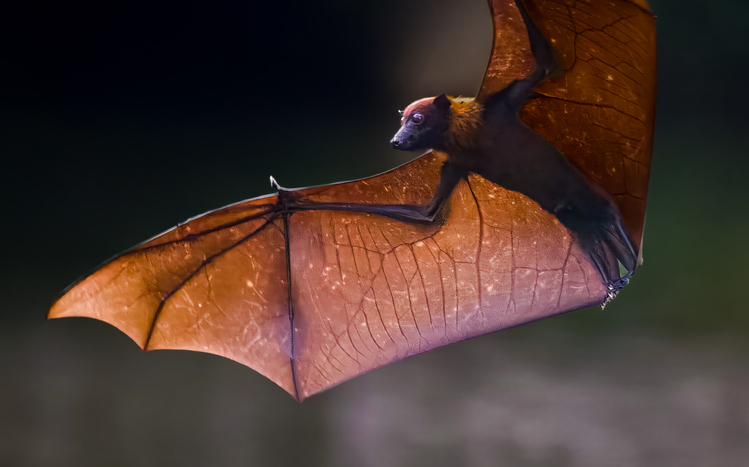
With summer heat and storm season underway Queensland Health is reminding people not to touch distressed or dead bats they may come across under any circumstances.
Bats can carry Australian bat lyssavirus (ABLV), a virus closely related to rabies.
While human infection is rare, it is almost always fatal once symptoms develop.
There have been 53 cases of potential exposure to ABLV in the Sunshine Coast Health District, which includes Gympie, so far this year.
Very hot temperatures or a mix of heat and humidity can cause bats to become heat-stressed and fall to the ground.
Storms can also affect bat behaviour – strong winds and severe weather can cause bats to fall from trees or seek shelter closer to the ground, increasing the chance of being found by people.
Queensland Health advises people to never attempt to rescue or handle a distressed or dead bat and instead call a trained wildlife rescuer.
Chief Health Officer Dr Catherine McDougall said ABLV can be transmitted to humans through bites, scratches or saliva, and the safest approach is to avoid any contact with bats.
“All bats have the potential to carry ABLV. While transmission to humans is rare, unfortunately, once symptoms appear, there is no known effective treatment,” she said.
“Prevention is key. The safest thing Queenslanders can do is assume any bat they come across could be carrying ABLV and avoid any contact.
“Even if the bat looks dead, do not touch it.
“If the bat appears to need help, call the RSPCA, local wildlife carers or Queensland’s Bat Conservation and Rescue team.
“I’d also encourage parents to remind their children to never touch a bat they find on the ground.”
Dr McDougall said the safest action for people who come across a bat is to keep children and pets away, and only if it is safe to do so, place a box or washing basket over the bat until a trained and vaccinated handler arrives.
“If you are bitten, scratched, or have contact with bat saliva, wash the area thoroughly with soap and water for at least 15 minutes,” Dr McDougall added.
“Then apply an antiseptic if available and seek medical care as soon as possible for assessment and post-exposure treatment.”
For advice and information on disposing of dead bats, visit the Queensland Government environment, land and water website
Report injured or distressed bats to:
RSPCA: 1300 ANIMAL (1300 264 625)
Department of Environment and Science: 1300 130 372
Local wildlife care groups and trained bat rescuers
For medical advice on bites and exposure:
Call 13 HEALTH (13 43 25 84). This helpline provides 24/7 advice from registered nurses for non-emergency health concerns, helping you decide if you need to see a doctor, visit a pharmacy, or go to an emergency department.
Contact your local Public Health Unit